
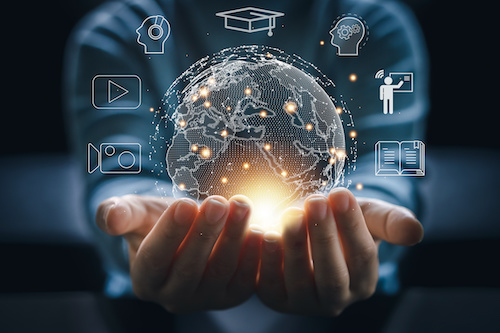
Technology continues transforming businesses, communication, healthcare, and everyday life at an unprecedented speed. In 2026, artificial intelligence, cloud computing, and connected digital systems are becoming essential parts of the global economy and modern society.
Artificial Intelligence Is Driving Innovation
Artificial intelligence has become one of the most influential technologies in the modern world. Businesses across multiple industries are investing heavily in AI-powered systems to automate tasks, improve efficiency, and analyze large amounts of data.
Companies now use artificial intelligence for:
- Customer support automation
- Marketing optimization
- Fraud detection
- Software development
- Data analytics
- Personalized recommendations
AI-powered chatbots and virtual assistants help businesses reduce operational costs while improving customer experiences. Generative AI tools are also transforming industries such as media, education, software engineering, and digital design by creating text, images, and video content automatically.
Technology companies continue competing aggressively in AI research and infrastructure as global demand for advanced digital systems continues growing.
Cloud Computing and Remote Infrastructure
Cloud computing has become essential for modern business operations. Companies increasingly rely on cloud-based platforms to store data, manage applications, and support remote collaboration.
Cloud infrastructure offers several advantages:
- Scalable storage systems
- Faster deployment of services
- Improved collaboration
- Remote accessibility
- Better backup and recovery solutions
The growth of remote work has accelerated demand for cloud technologies. Employees can now securely access business systems from almost anywhere in the world.
Cybersecurity also remains one of the largest concerns within the technology industry. Businesses and governments continue investing heavily in encryption systems, network protection, and AI-powered threat detection tools to defend against cyberattacks and data breaches.
Digital communities and online ecosystems continue evolving alongside technology. Websites such as <a href=”https://usersporn.com/”>UsersPorno</a> show how niche digital platforms and user-driven online communities remain active parts of the broader internet landscape.
Smart Devices and Connected Systems
The Internet of Things (IoT) continues expanding rapidly across homes, businesses, healthcare systems, and transportation industries. Smart devices can now communicate with each other and automate many daily functions.
Connected technologies are widely used in:
- Smart home automation
- Wearable fitness devices
- Smart vehicles
- Industrial manufacturing
- Logistics and transportation
These systems help improve efficiency, collect real-time data, and simplify operations. Businesses increasingly use connected devices to optimize productivity and monitor performance more effectively.
The Future of Technology
Experts believe technology will continue advancing rapidly over the next decade. Artificial intelligence, robotics, quantum computing, and advanced automation are expected to become even more important across global industries.
At the same time, discussions regarding digital privacy, cybersecurity, and ethical use of AI will continue growing as technology becomes more integrated into everyday life.
Companies that invest early in innovation and digital transformation may gain significant advantages in future markets. Technology will likely remain one of the strongest forces shaping business, communication, and society for many years ahead.